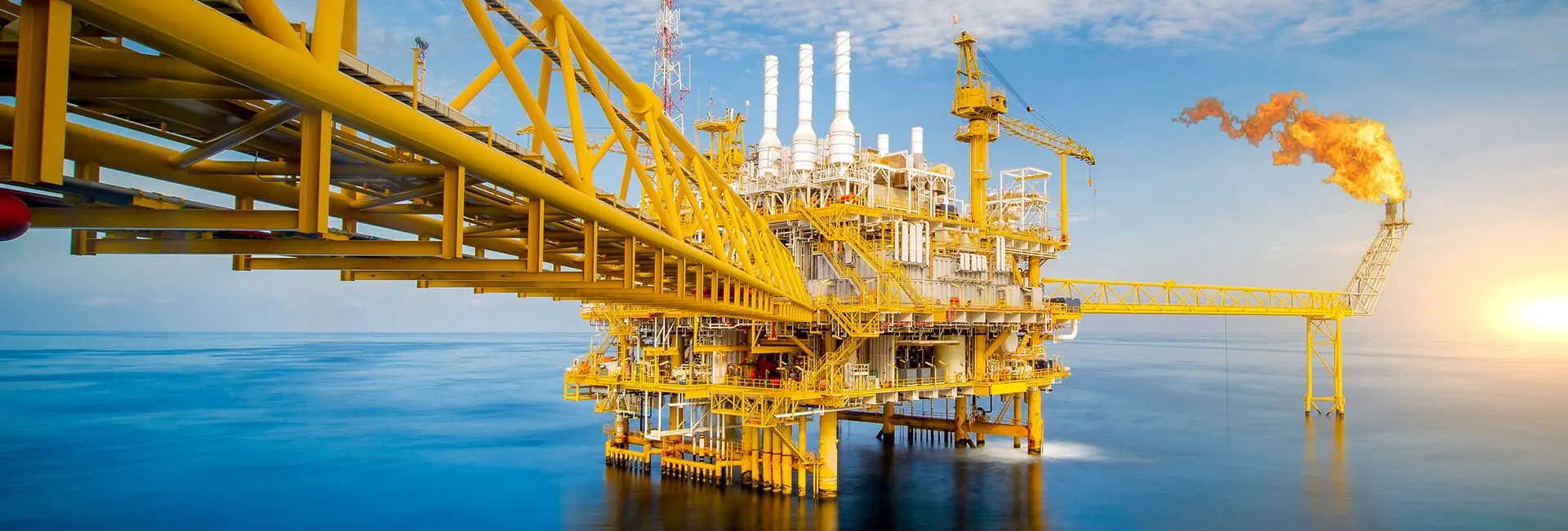
Deliberate damage to infrastructure poses a mounting threat across the energy landscape. Activist groups and hostile actors increasingly target pipelines, storage tanks, and extraction sites to advance specific agendas.
Such attacks disrupt operations, harm natural surroundings, and create immense financial strain. Addressing these risks requires deeper vigilance and advanced protection measures. Owners and operators now face difficult challenges as they strive to safeguard assets against the rising tide of oil and gas security.
Rising threats to energy infrastructure:
Intentional harm to equipment causes immediate operational failures. Saboteurs utilize simple tools or sophisticated methods to breach physical barriers. Such actions lead to costly downtime and emergency repair needs. When critical systems stop, distribution networks fail, affecting fuel availability and industry stability.
Environmental damage as a weapon:
Attackers often justify destruction by highlighting ecological impacts. Ironically, these actions cause severe spills, fires, and toxic leaks. Contaminants seep into soil and water sources, destroying local habitats for decades. Attempting to stop energy production by damaging infrastructure frequently leads to the very disasters these actors claim to prevent.
Financial consequences for operations:
Repairing tampered equipment requires huge capital investments. Beyond direct costs, companies face market instability and investor doubt. Rising insurance premiums and high maintenance expenses hit profit margins hard. This financial drain prevents funding for cleaner technology, stalling progress toward safer energy methods.
Difficulty of monitoring vast networks:
Energy lines span thousands of miles across remote landscapes. Keeping every mile monitored remains a logistical nightmare. Traditional surveillance fails to detect determined individuals intent on causing disruption. Rapid response proves nearly impossible when incidents occur in isolated regions far from teams or authorities.
Risks to human safety:
Damage to high-pressure pipes puts nearby communities at risk. Explosions or fires threaten residents and employees working near these sites. Emergency responders face dangerous conditions while trying to contain spreading hazards. Beyond property loss, the threat to life raises the situation to a critical emergency management challenge.
The need for advanced protective strategies:
Traditional walls and basic cameras prove insufficient today. Industry leaders now adopt smart sensors, drone patrols, and satellite monitoring to detect intrusions instantly. Strengthening physical defenses combined with high-tech surveillance helps prevent unauthorized access. Building resilience against targeted interference remains a top priority to keep energy flowing safely while minimizing risks to nature and people.