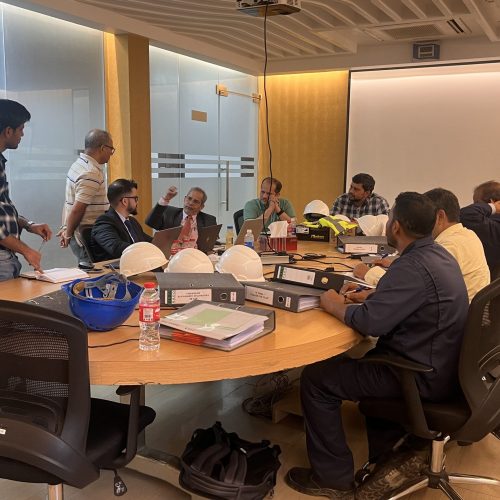
Getting the hang of a technical standard can sometimes feel dry and heavy. But there is a way to turn that complexity into clarity. You want to build real skill, not simply collect a certificate. This training sharpens your ability to handle specifications, documents, and audits with confidence. It changes how you see quality management in manufacturing.
Here’s what you should know about the API Q1 Practitioner Training course and see what makes it click.
Getting the documents right:
Keeping records simple and clear helps teams stay organized. Every file needs a specific purpose to avoid confusion during work hours. Good documentation means anyone can pick up a task and finish it correctly. This clarity prevents small errors from growing into big problems later. Using a logical filing system makes finding information quick and easy for the whole staff.
Managing risks every day:
Identifying what could go wrong helps workers stay safe on the job. Looking at potential issues before they happen keeps the workplace steady and reliable. Small adjustments can stop accidents from occurring in busy environments. A solid plan for risks means the team stays ready for any change. Everyone benefits when safety becomes a natural part of the daily routine.
Checking the supply chain:
Working with good suppliers ensures that materials always meet the right standards. Every piece of equipment must fit the job perfectly to avoid delays. Checking the quality of incoming goods helps maintain a high level of performance. Building strong links with partners makes the entire process run much better. Quality control at the start leads to better results at the end.
Keeping equipment ready:
Tools need regular care to stay in top shape for difficult tasks. Following a strict schedule for repairs keeps machines working without any sudden breaks. Good maintenance helps avoid unexpected costs that slow down the business. Workers feel more confident when they use gear that functions exactly as expected. Staying ahead of wear and tear keeps the entire floor busy and productive.
Training the whole team:
Sharing knowledge helps every person contribute to the overall goal of the company. When people know their roles, they work with more speed and accuracy. Regular updates on new methods keep the staff sharp and ready for challenges. Learning together builds a culture where everyone values doing things the right way. Skilled hands make light work of even the hardest technical assignments.